
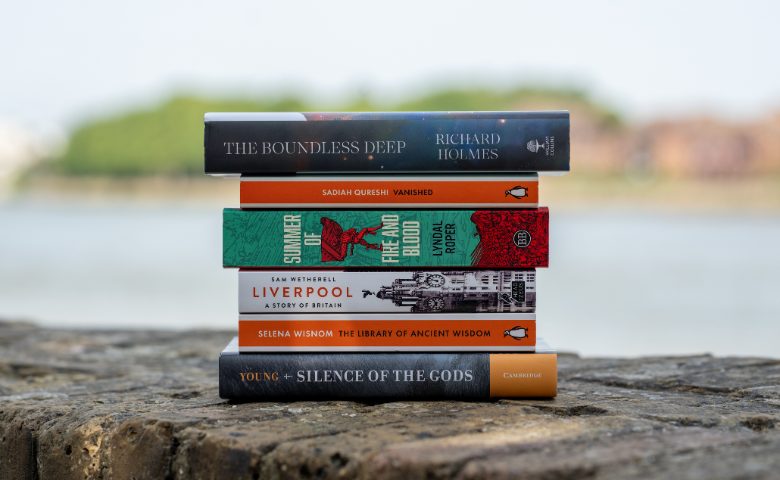
The six books shortlisted for this year’s Wolfson History Prize span vast historical territory yet collectively shed light on the ways societies are brought together – or driven apart – in the wake of profound disruption.
The subjects range from humanity’s ‘first civilisation’, the survival of pre-Christian beliefs in Europe and a groundbreaking history of extinction, to the bloodiest uprising in early modern Europe, a mesmerising new biography of Tennyson and the story of a city’s fight against post-industrial decline.
Now in its 54th year, the Wolfson History Prize is the most valuable history writing prize in the UK, awarding the winner £50,000 and each of the five shortlisted authors £5,000. The winner will be announced on 1 December.
The six books shortlisted are:
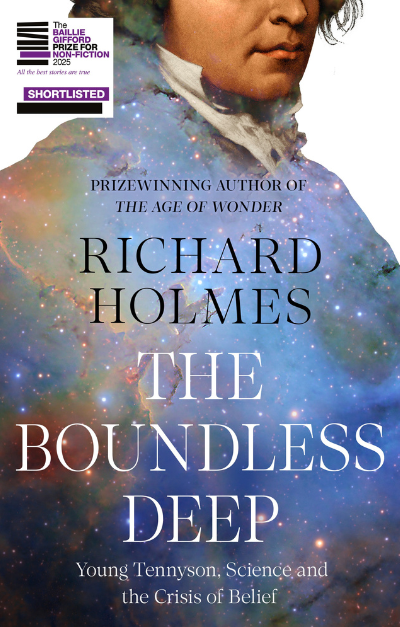
This biography by Richard Holmes chronicles a world undergoing enormous intellectual and scientific change to present a rich, renewed portrait of one of Britain’s most famous poets, Lord Alfred Tennyson. Tennyson emerges as a hypnotically musical poet intensely engaged with the new astronomy, geology, psychiatry and biology of the age before Darwin.
“Meticulously researched and exquisitely written, this is an engaging study of the passionate young Tennyson as he confronts the momentous issues raised by early Victorian science.”
The Wolfson History Prize judges
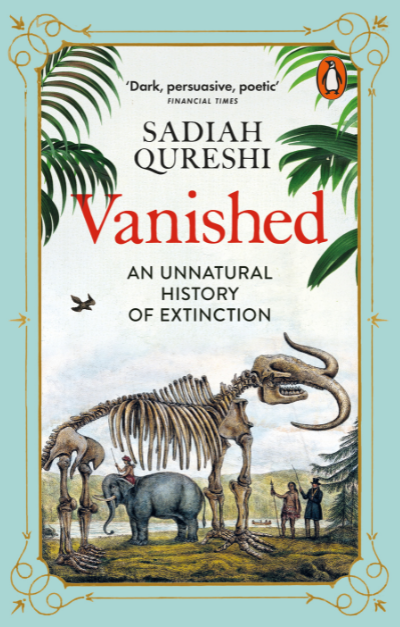
Sadiah Qureshi presents a revelatory understanding of ‘extinction’ as a surprisingly modern concept informed by the politics and cultural norms of late 19th-century Europe. Weaving together pioneering original research, Qureshi argues that extinction extends well beyond a scientific idea, and is both an evolutionary process and a human act, inextricably entangled with the history of empire.
“Dazzling in its breadth and originality, Vanished is a sobering, brilliant account of the idea and reality of extinction in the natural and human world.”
The Wolfson History Prize judges
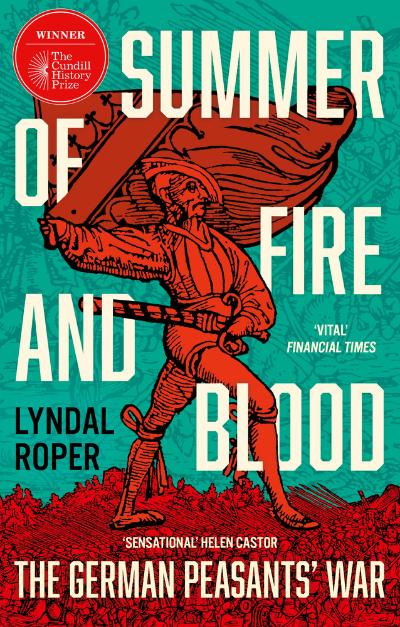
This is a landmark history of the bloodiest popular revolt in early modern Western Europe. Sweeping across Germany with astonishing speed in the 16th century, peasants took control of vast areas, before being slain in their tens of thousands by the ruling lords. While the history of the uprising has historically been told by the victors, in this retelling Lyndal Roper reframes the event through the voices of the peasants who fought to change the world.
“Roper radically retells early modern Europe’s largest popular uprising, placing the spiritual, emotional and material worlds of the peasants at the heart of this brutal story.”
The Wolfson History Prize judges

Sam Wetherell presents an epic history of Liverpool, from its recovery after the Second World War, to the rise and fall of its vast docklands, to its community’s defiance in the face of discrimination and deindustrialisation, culminating in the Toxteth riots. In its fight against obsolescence, Liverpool is a prism through which Britain can understand its own complex history.
“Humane, distressing, and yet curiously optimistic, Wetherell deftly uses Liverpool as the lens through which to rethink Britain’s post-industrial decline.”
The Wolfson History Prize judges
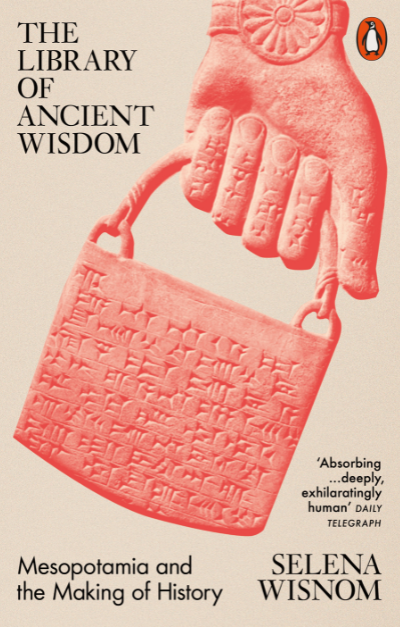
Selena Wisnom brings to life an innovative, sophisticated and ancient civilisation. Taking us on an immersive tour of one of the ancient world’s greatest surviving libraries, Wisnom brings us face to face with humanity’s first civilisation, their startling achievements, their daily life, and their struggles to understand their place in the universe.
“Wisnom’s book offers a thrilling panorama of ancient Mesopotamian society and culture, bringing its strikingly sophisticated systems of thought and belief to life for modern readers.”
The Wolfson History Prize judges
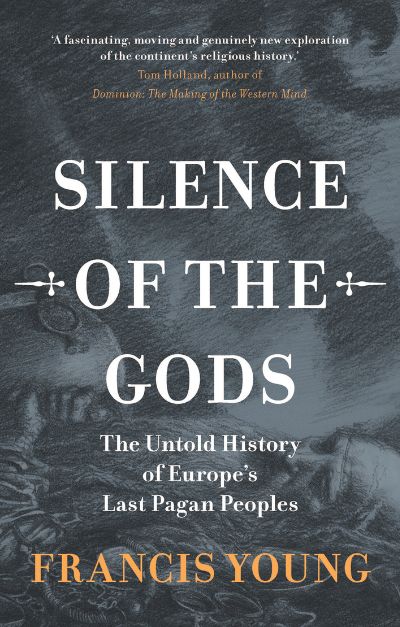
A unique history of Europe’s last ‘pagan’ societies as they confront a world moving towards Christendom, Francis Young revolutionises our understanding of the survival of these belief systems, uncovering tales of fierce resistance, unlikely survival and considerable ingenuity.
“An original, sprightly analysis of the surprisingly overlooked survival of pre-Christian beliefs around the edgelands of Europe.”
The Wolfson History Prize judges
You can watch each author read an exclusive extract from their shortlisted book by clicking on the book icons above.
The judges for the Wolfson History Prize 2026 are Sudhir Hazareesingh, Helen King, Diarmaid MacCulloch and Helen McCarthy, with the panel chaired by David Cannadine. Find out more about them here.


