
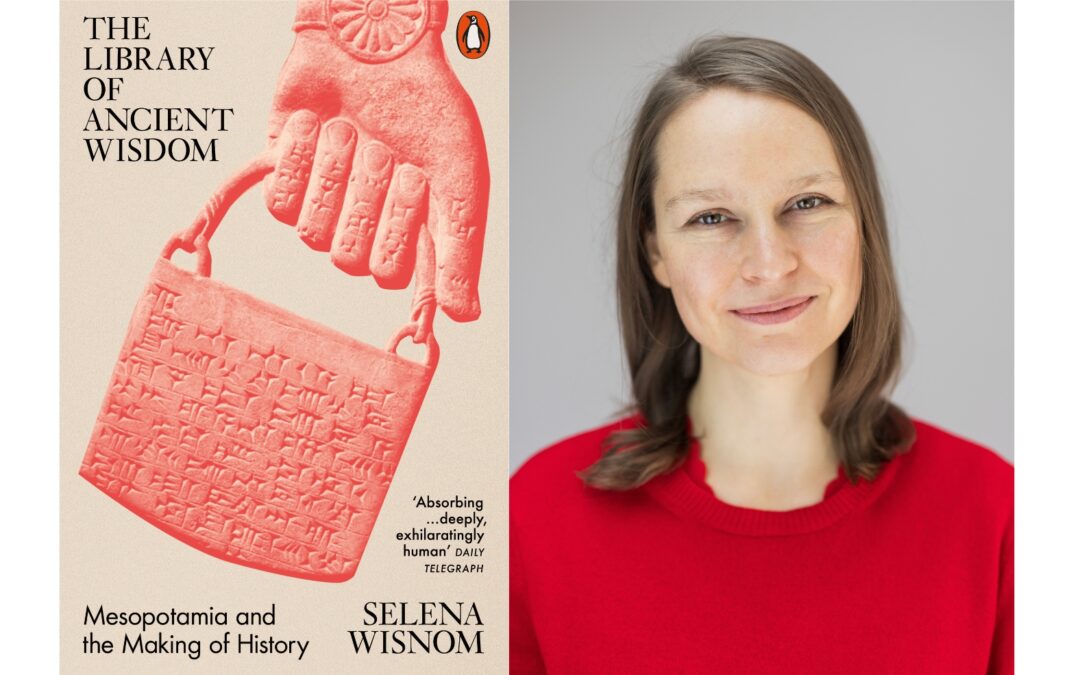
Describe your book in six words
The library survived because it burned down.
How does it feel to be shortlisted for the Wolfson History Prize 2026?
I’m absolutely thrilled. This is the first time that a book on Mesopotamia has been shortlisted, and it’s the earliest period the Wolfson prize has ever nominated in a single study. Mesopotamia is not so well-known among the general public but has huge historical importance – it would mean a lot to see it recognised in this way.
What inspired you to get into history?
I fell in love with ancient languages at an early age, as I was lucky enough to study Latin and Greek at school – an opportunity I wish more people had. Being able to read words written thousands of years ago in the original was a transformative kind of time travel that was inspiring, mind-expanding, and creative all at the same time. I came across the epic of Gilgamesh in a bookshop when I was 18 and was immediately captivated by this world that was both deeply strange and eerily familiar. That set me on the path to learning cuneiform and studying Assyriology, a field where there are so few people who can read the texts that there is a huge amount to do even in their basic reconstruction. New documents and works of literature are discovered all the time, and there is so much still to learn about these ancient societies. It’s an incredibly exciting field to work in.
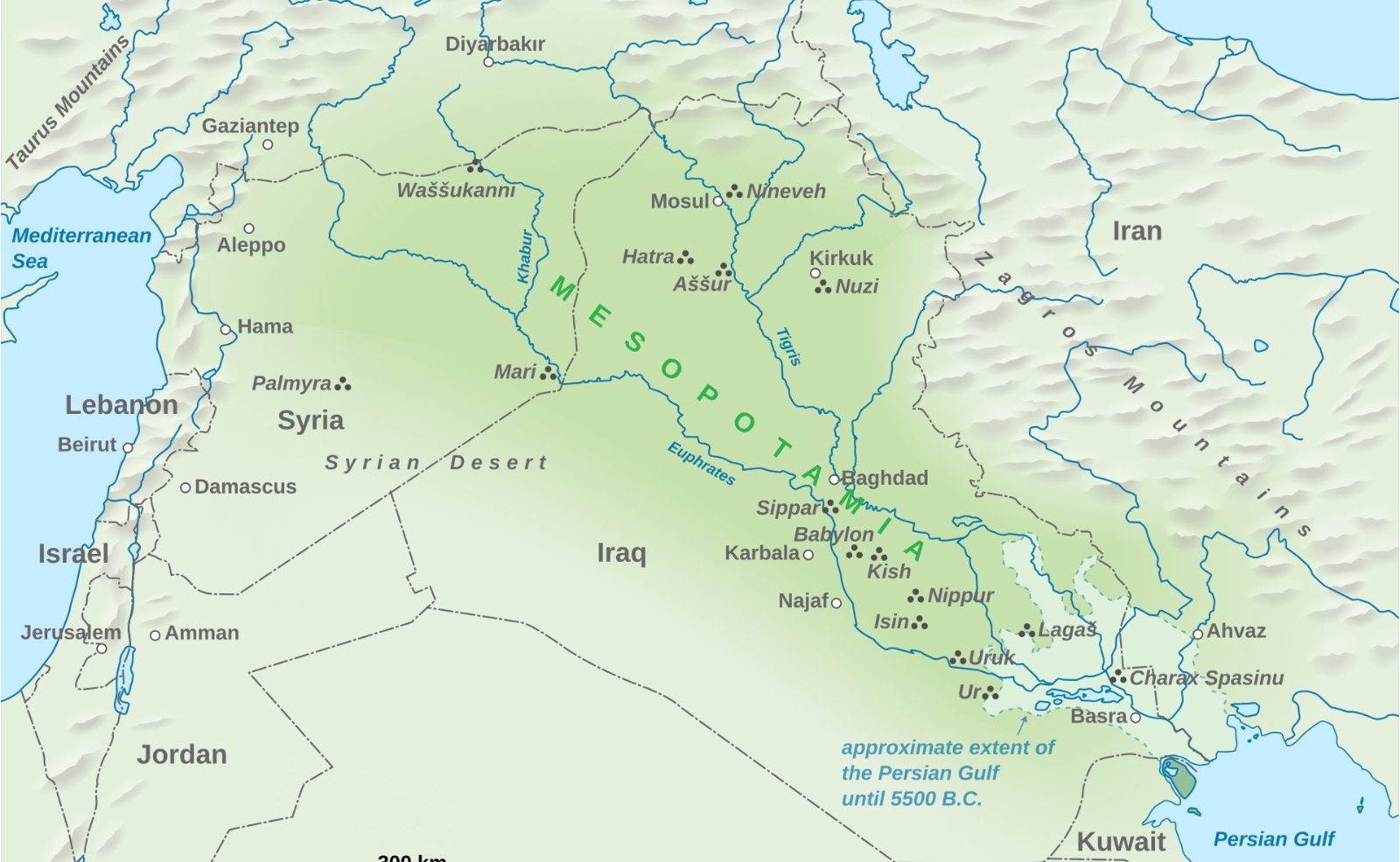
Map of Mespotamia (c) Goran tek-en
What was the most interesting fact you discovered during your research?
The influence of Mesopotamia westwards towards Greece and Rome was well-known to me, but I was fascinated to discover how much went east. It turns out that the Buddha knew about Mesopotamian style divination techniques, as he preached sermons railing against them in India in the 5th century BC. Despite this, omen lore from Mesopotamia was assimilated into Buddhist culture, along with mathematical astronomy, and from there they moved at least as far as central Asia. It’s a truly far-reaching heritage.
What did the research process look like for you? What were the key milestones along the way?
I immersed myself in the royal archives from Nineveh, now kept in the British Museum, which are full of letters between the kings and their advisers. These are an amazing window onto how the library’s knowledge was used at the court, and gave me a strong sense of what mattered to the people who wrote them. I was then able to use these characters as points of view on the library, putting together the amazing material in this collection with contemporary conversations showing how it was applied. I already knew the Assyrian scholars well, since I had written a series of plays about the last great kings of Assyria that drew on the archives, but this was a chance to go much deeper and set their knowledge in context. The book draws on everything I’ve studied in my academic career so far, cutting across multiple genres of ancient scholarship, and piecing them together to recreate a world.
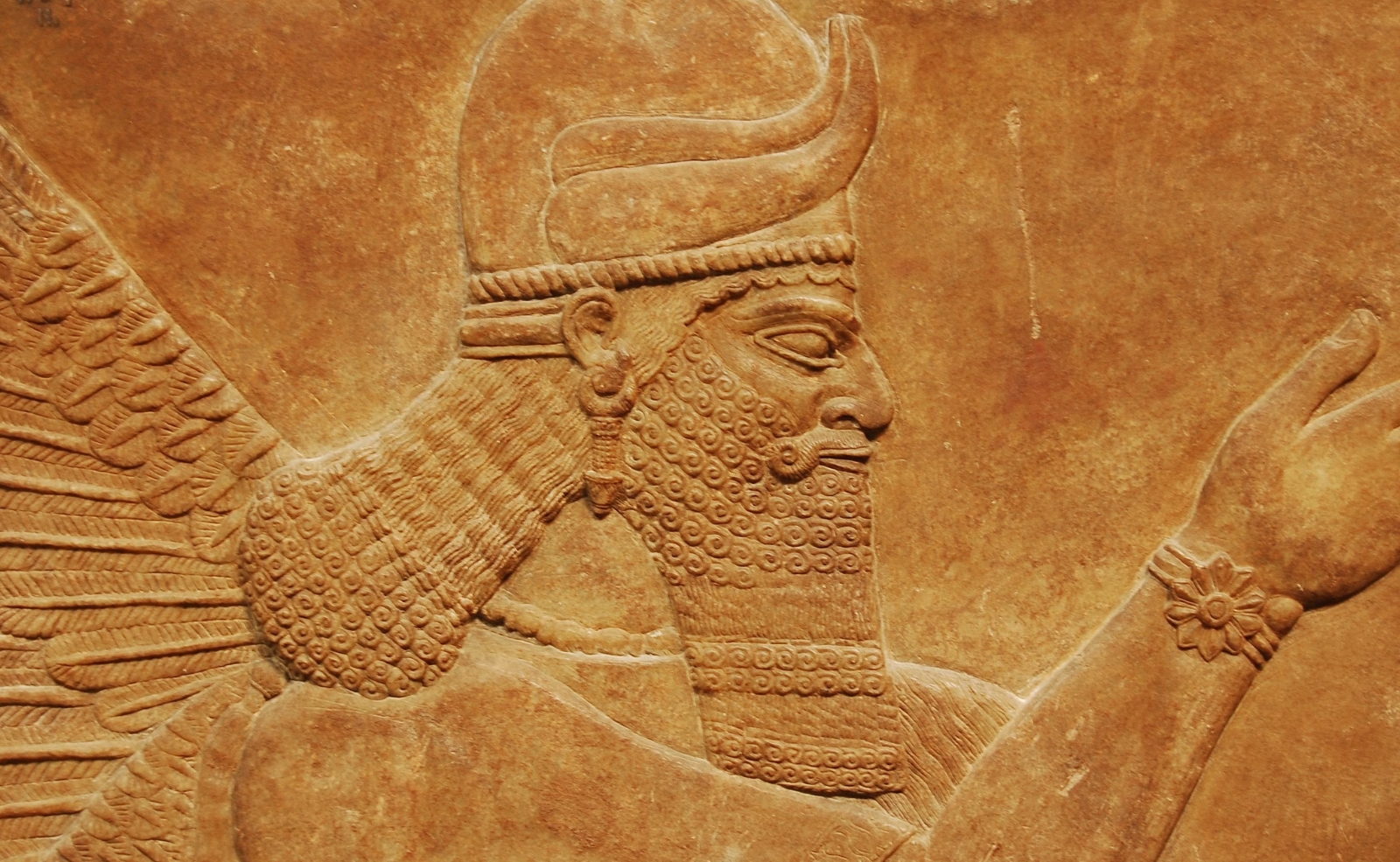
Part of an ancient Assyrian carved stone relief.
In the National Year of Reading, why does reading historical non-fiction matter today?
Truth is stranger than fiction, and so it is with reading about the past. History writing helps us understand people who were radically different from us, and yet who dealt with similar challenges and had similar experiences. It helps build a bridge to our common humanity, and shows that no matter what our differences there is still much to empathise with, and to learn from other people.
Read an extract from The Library of Ancient Wisdom.
Return to the 2026 shortlist.
Top images: ‘The Library of Ancient Wisdom’ book cover; portrait of Selena Wisnom.


