
Describe your book in six words
Pagans on the edge of Europe.
How does it feel to be shortlisted for the Wolfson History Prize 2026?
It is a very great honour to be shortlisted for the Wolfson History Prize, and certainly not something I ever expected! Silence of the Gods is a book about a very overlooked subject – European peoples that opted against Christianity well into the modern era and retained their pre-Christian religious traditions – and I am thrilled that my shortlisting might bring attention to this aspect of religious history in eastern and northern Europe.
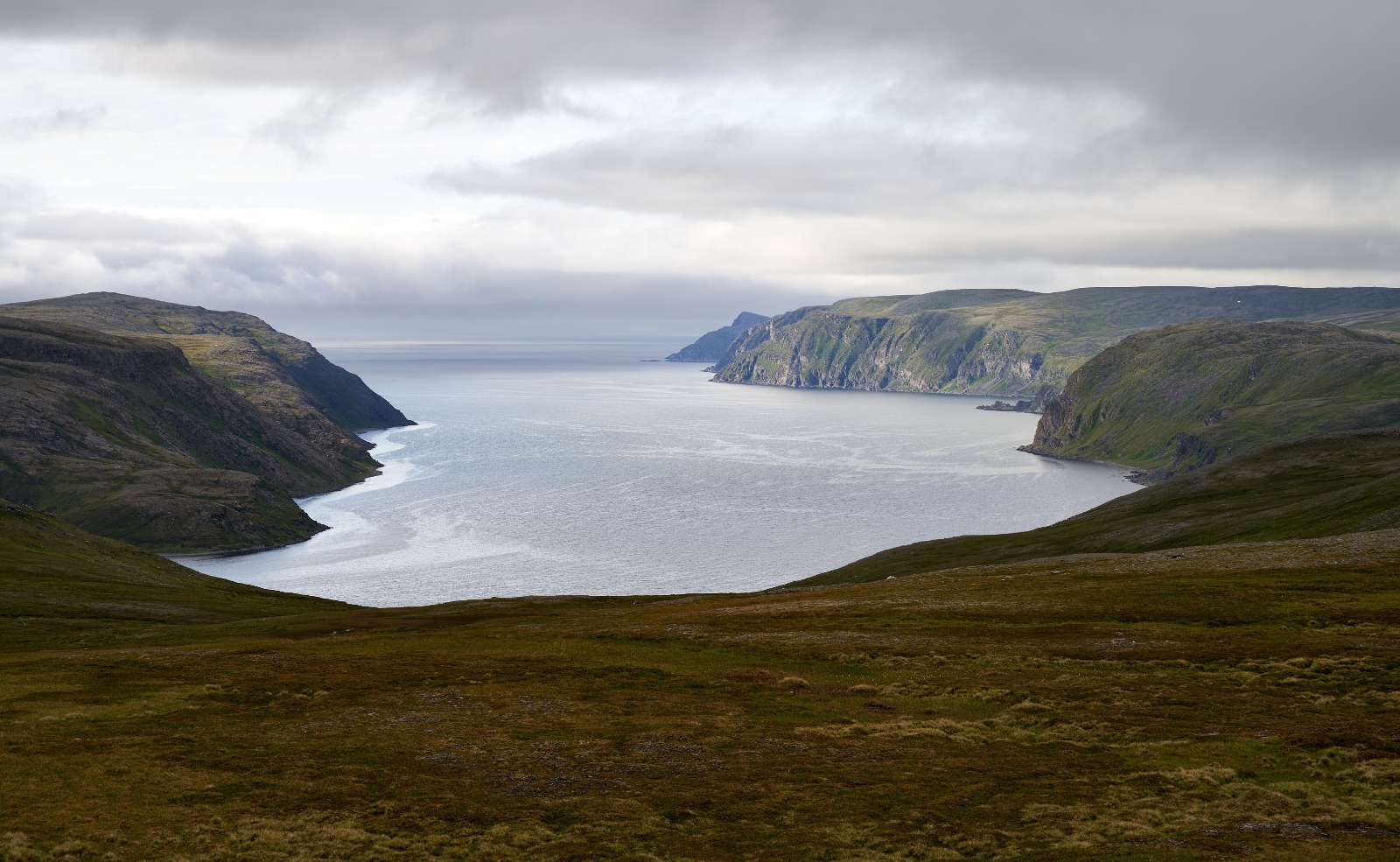
Aerial view of Nordkapp cliffs and coastline in Finnmark, Norway.
What was the most interesting fact you discovered during your research?
I uncovered one moving account from Latvia of how people responded to Christian missionaries cutting down their sacred trees in the 17th century. They would recover a branch or twig from the felled tree (an oak or lime) and pour offerings of beer over the stump, asking the old tree to allow a new tree to become sacred. They then took the branches and touched them to the base of a new sacred tree of the same species, making it holy – that way they never ran out of sacred trees, and could always stay ahead of the tree-felling priests.
What did the research process look like for you? What were the key milestones along the way?
My fascination with pre-Christian religions in modern Europe goes back over twenty-five years to my first visit to Lithuania, but my research began in earnest in 2019 with a translation project which continued through lockdown and furnished many of the texts that are central to Silence of the Gods, which had never before received attention from English-speaking scholars. A 2023 conference at the Arctic University of Norway in Tromsø allowed me to share my ideas with an international group of scholars with a diverse range of perspectives on Sámi studies, translation, early modern religious history and other fields, which inspired me and gave me the confidence to make Silence of the Gods an ambitious book about all the peoples of Europe who retained pre-Christian religious traditions into the 1500s and beyond.
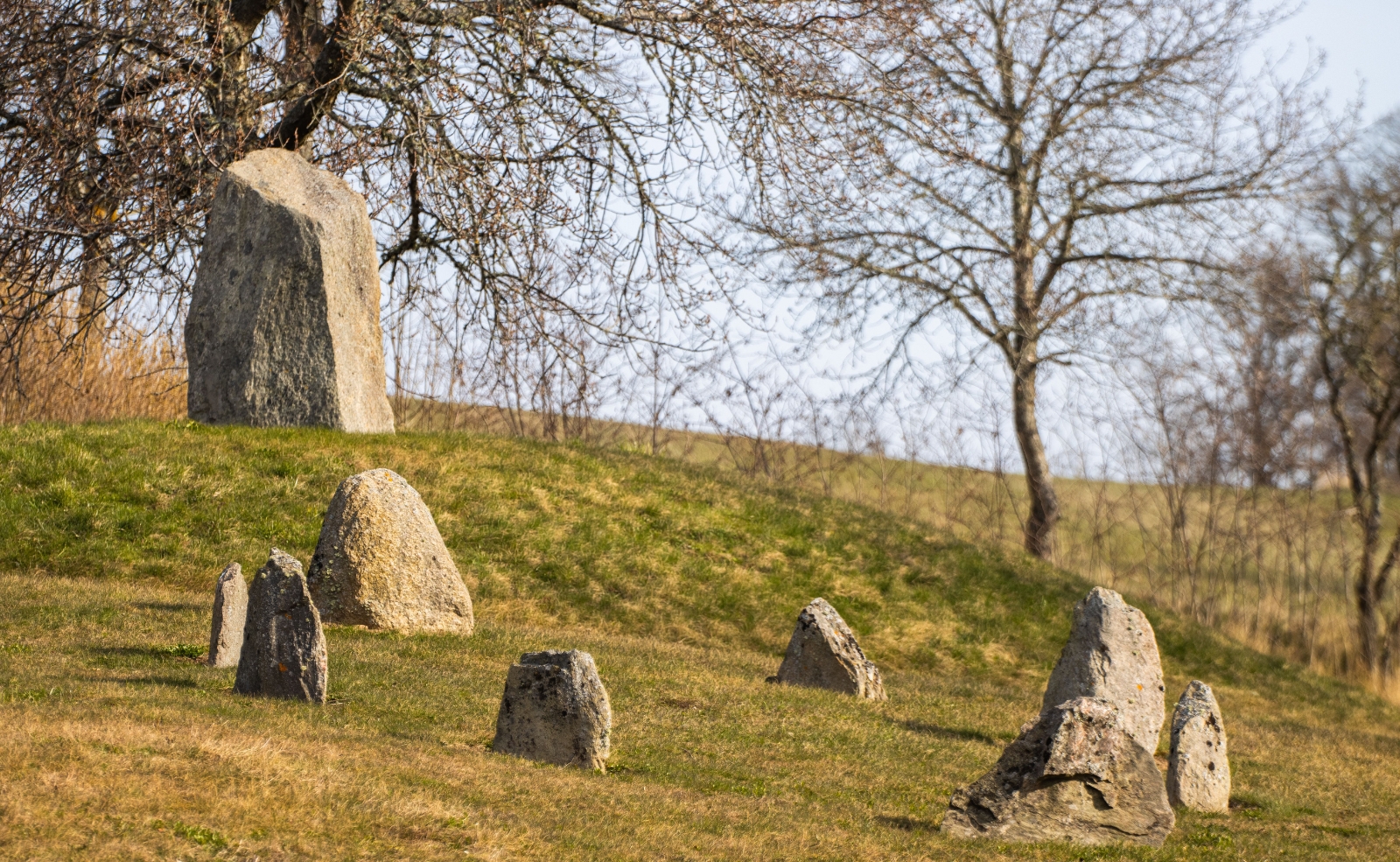
Stone circle on grassy hill in Gränna, Sweden.
The Wolfson Foundation awards grants to a wide variety of museums, historic buildings and landscapes. Do you have a favourite historical place, or a place that inspired you?
Landscape and its sacredness is central to Silence of the Gods and my chief inspiration was the forests and hills of Lithuania and the stark, mostly treeless sub-Arctic landscape of Sápmi, especially Norwegian Finnmark. A recurring feature of the post-glacial plain of northern and eastern Europe, which stretches all the way from the Arctic circle to Ukraine, is the scattering of glacial erratics, gigantic boulders left behind by the retreating glaciers at the end of the last Ice Age. These are a perennial focus of human religious activity, and they exist in Britain, too – for example, the cup-marked stones of Cumbria whose prehistoric art we are still discovering. I am always inspired by the interplay between landscape, nature and the human desire to mark places as sacred, whether in my home country of Great Britain or in the Baltic states and Fennoscandia.
Read an extract from Silence of the Gods.
Return to the 2026 shortlist.
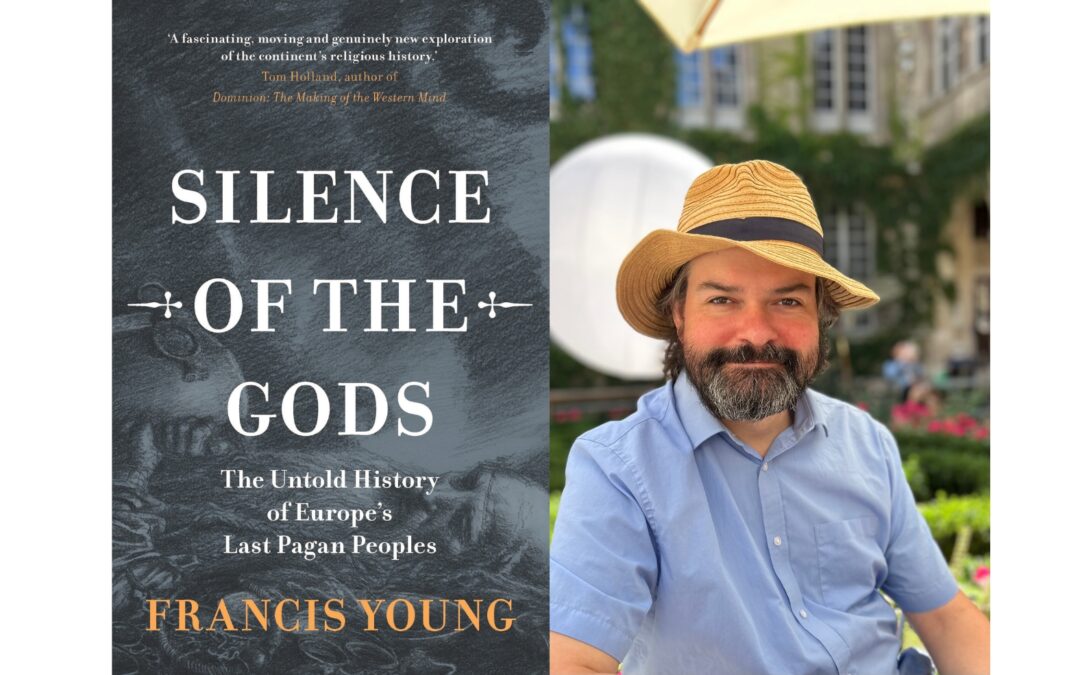
Top images: ‘Silence of the Gods’ book cover; portrait of Francis Young.


