
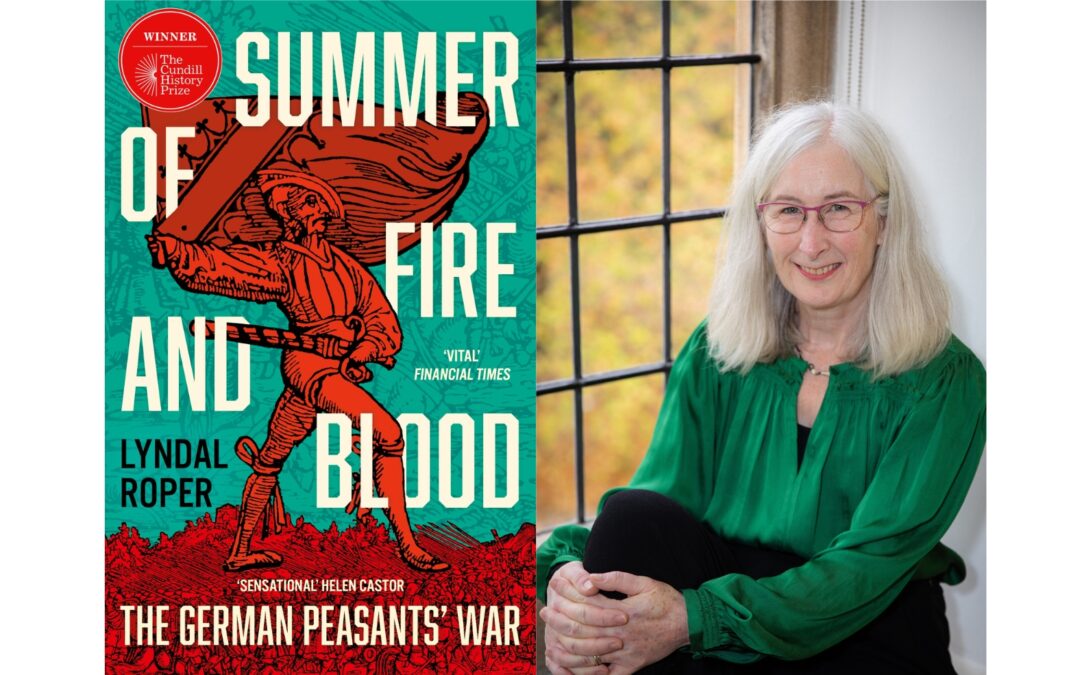
Describe your book in six words
1525, German peasants’ revolt, 70,000 slaughtered.
How does it feel to be shortlisted for the Wolfson History Prize 2026?
It means so much! This book nearly didn’t get published, but it was one I just had to write. 2025 was the 500th anniversary of the Peasants’ War. I’ve been a historian of Germany all my life, and I saw German reunification and lived in Berlin in 1992-3. Now, over a generation later, the former communist East and the West are still very different, and one thing they divide over is what the German Peasants’ War was about. I spent 2025 going to events and exhibitions and talking about the Peasants War all over Germany and I came to know the country in a new way. This is the hardest book I’ve ever written, so to have it shortlisted is just very special.
What inspired you to get into history?
I used to read history books in my grandfather’s sleepout, in Australia, and he had lots of history books about Britain’s imperial past – they were terrible books, all written from an imperial point of view, but they lodged in my memory. My grandad was a First World War veteran, who hated the British officers: he thought they were stuck-up and incompetent, and yet he had these history books.
What did the research process look like for you? What were the key milestones along the way?
I went cycling! First I cycled from Mühlhausen to Frankenhausen, the route Thomas Müntzer and his followers took to the final battle, where thousands died. Then I cycled from Strasbourg to Konstanz, over 600 km. On the first day I turned off to visit the village of Lupstein, and suddenly I was face to face with the skulls and bones of the peasants I had been writing about. They had run to the church for shelter but then the soldiers set the village on fire. To show they surrended, the men had taken their hats off and put them up against the window, but it was too late and they all perished. I retraced Hans Müller’s epic march through the Black Forest down to Freiburg, and saw the hill opposite town that he managed to seize. You have the town at your mercy because you can see – and shoot – into every house from there – no wonder they surrendered. I tried to visit every place involved in this massive revolt, that covered what are now five separate European countries, because I wanted the landscape to be an actor in the book.
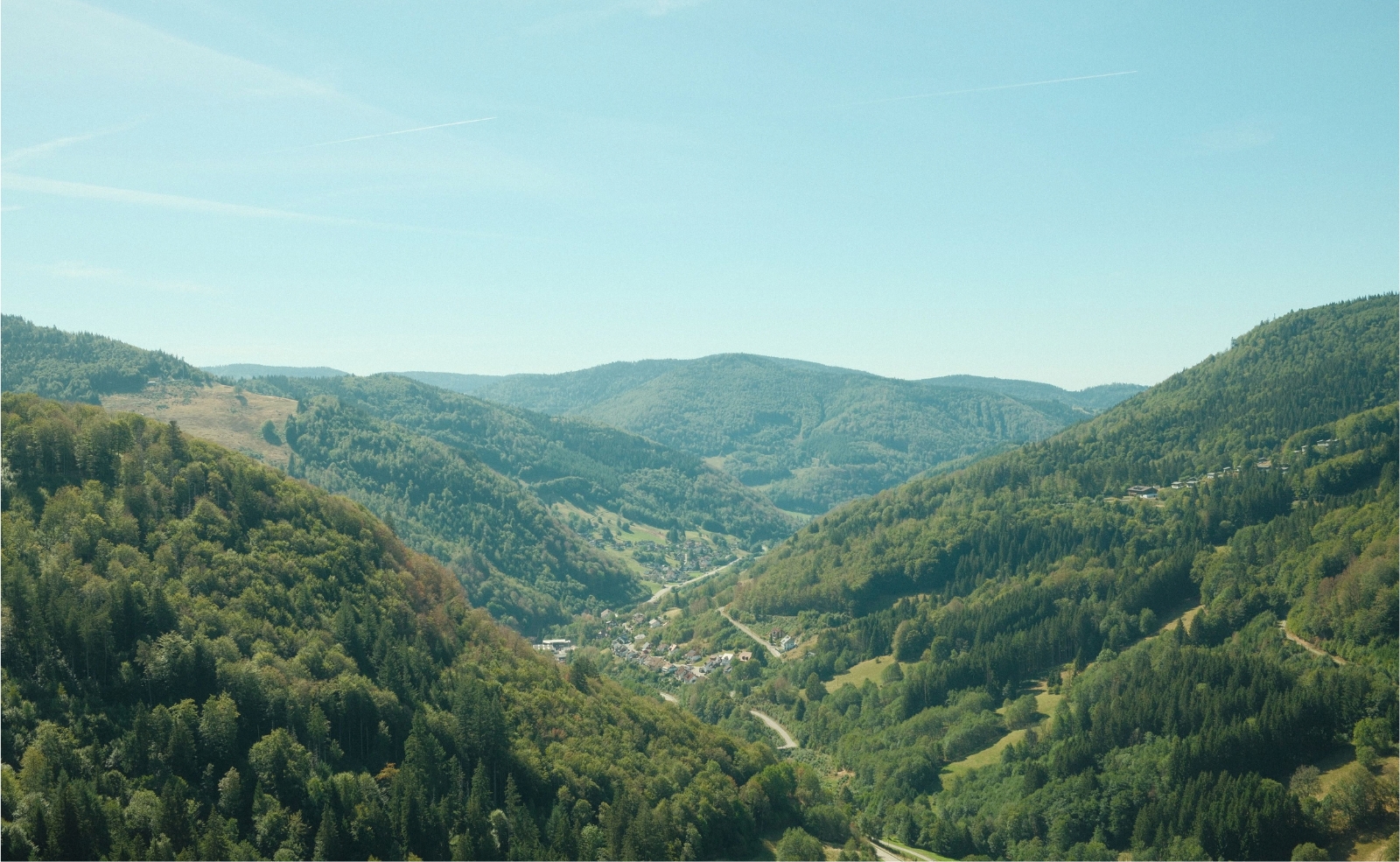
Aerial view of green hills and valleys in the Black Forest, Germany.
In the National Year of Reading, why does reading historical non-fiction matter today?
Reading historical non-fiction is so important because if we don’t understand history we have no sense of how things came to be as they are. And we lose our sense of possibility: how we could think about the environment differently, how we could imagine different property relations, what it would be like to live in a world where theology was the ‘hot’ university subject! Think what we would lose if every record to do with women was obliterated, all their involvement in politics, work, creativity, just forgotten – and we are still only now beginning to find out about women’s lives in the past.
Read an extract from Summer of Fire and Blood.
Return to the 2026 shortlist.
Top images: ‘Summer of Fire and Blood’ book cover; portrait of Lyndal Roper (c) Isha Photography.


