
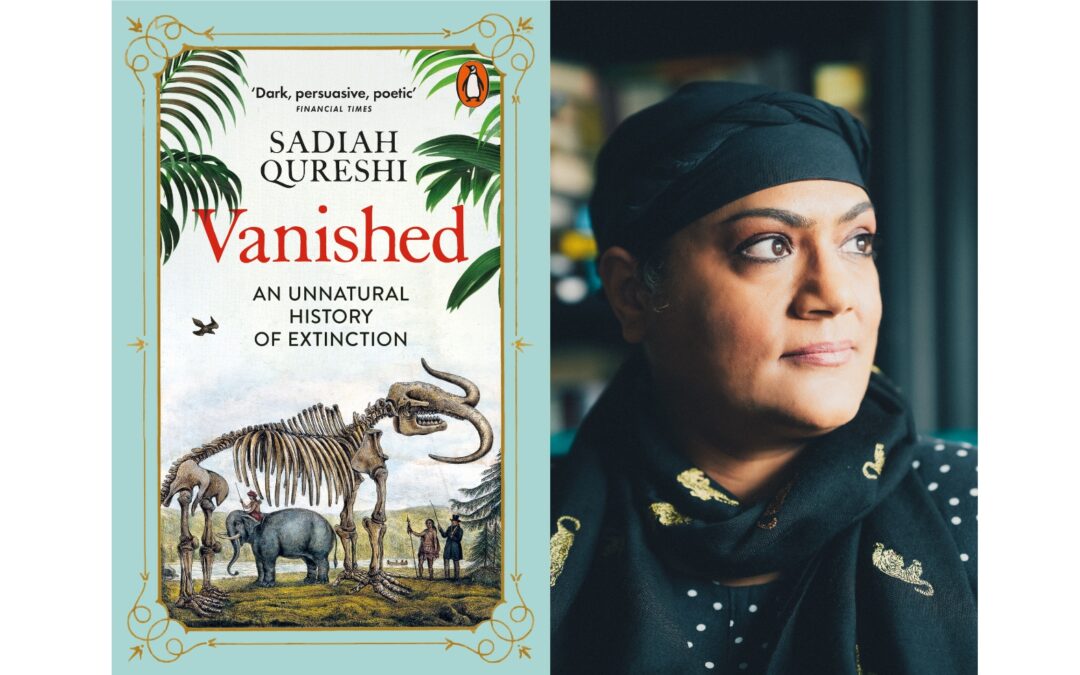
Describe your book in six words
Recovering lost legacies for just futures.
How does it feel to be shortlisted for the Wolfson History Prize 2026?
History and writing are among my life’s most enduring passions. I am stunned and thrilled to be shortlisted for a prize that recognises the importance of crafting compelling histories for a broader readership.
Winning would be a dream come true. Like so many young children who discovered the magic of reading, I treasured my books from novels to natural history guides. My library still contains many volumes I bought as a child exploring new worlds and dreaming of being an author.
Public history has always been central to my practice. As such, it would be a particular honour to showcase the craft of writing and value of history, and humanities more broadly, for fostering everything from childhood curiosity to addressing a topic as urgent as our shared future and life on earth.
What inspired you to get into history?
My curiosity is insatiable. As an undergraduate reading natural sciences, I was captivated by an introductory course on the history and philosophy of science and many wonderful scholars especially my PhD supervisor. While science offered many insights about how things worked, I felt that history was the best way to answer my pressing questions about why. Once hooked, I never looked back and I’m lucky enough that my passion for public history has been at the core of my career.
I am in awe of life on earth. I find profound joy in sharing a planet with birdsong, trees, and tigers, so I worry that the lifeways around us are taken for granted and often treated as little more than an exploitable resource. While writing Vanished, I visited a Newfoundland nature reserve to watch seabirds. I’d never witnessed skies so full of life or heard such a raucous din from life just living. For me, being a historian is one of the most fruitful ways to explore the roots of the present in all its complicated messiness that defies easy answers in the service of understanding our present, and informing our choices about the future.
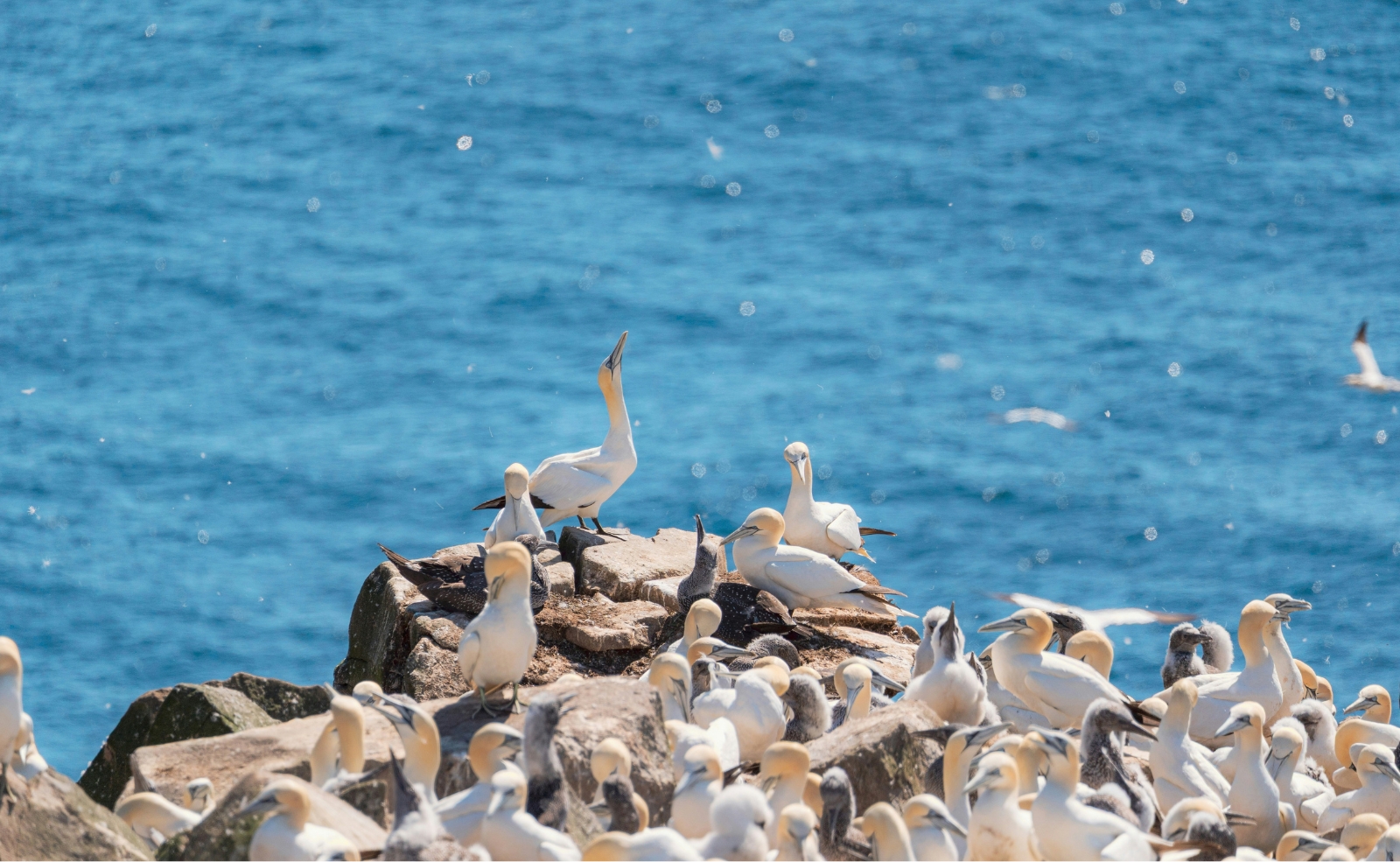
Sea birds in Newfoundland, Canada.
What was the most interesting fact you discovered during your research?
I was stunned by learning that there is only a single known skin of the Liverpool Pigeon and that we know so little about it. This bird likely went extinct in the nineteenth century, and the only known specimen is stored in the bowels of the World Museum in Liverpool. While we know the bird’s closest relatives include the dodo and Nicobar pigeon, no one knows where the bird even lived while alive. Imagine a bird that might have existed for millennia reduced to a single skin whose original home is unknown. The mystery of the Liverpool pigeon’s origins is compelling, but to know so little about any way of being consigns it to a remarkably miserable fate.
That encounter reinforced why I wanted Vanished to capture that extinction isn’t just the loss of taxonomic groups such as species, but lifeways that might have existed long before we did. And precisely because extinction causes such loss, the book is also an exhortation to recover neglected histories to build worthwhile futures that benefit not only us, but life itself.
The Wolfson Foundation awards grants to a wide variety of museums, historic buildings and landscapes. Do you have a favourite historical place, or a place that inspired you?
Vanished traces many journeys to museums to encounter lost ways of being, from the Oxford Dodo to an entire chapter about Hope the blue whale at the Natural History Museum, London. I dedicated the chapter to whales and the Natural History Museum precisely because my passion for the living world was inspired by the many museums I’ve visited since I was a child, from seeing a tiger up close to the astonishing size of a giant crab, or whale. As an undergraduate discovering histories of science, the Natural History Museum, London, stood out among many others not just for its collections but the building’s form as a cathedral to nature.
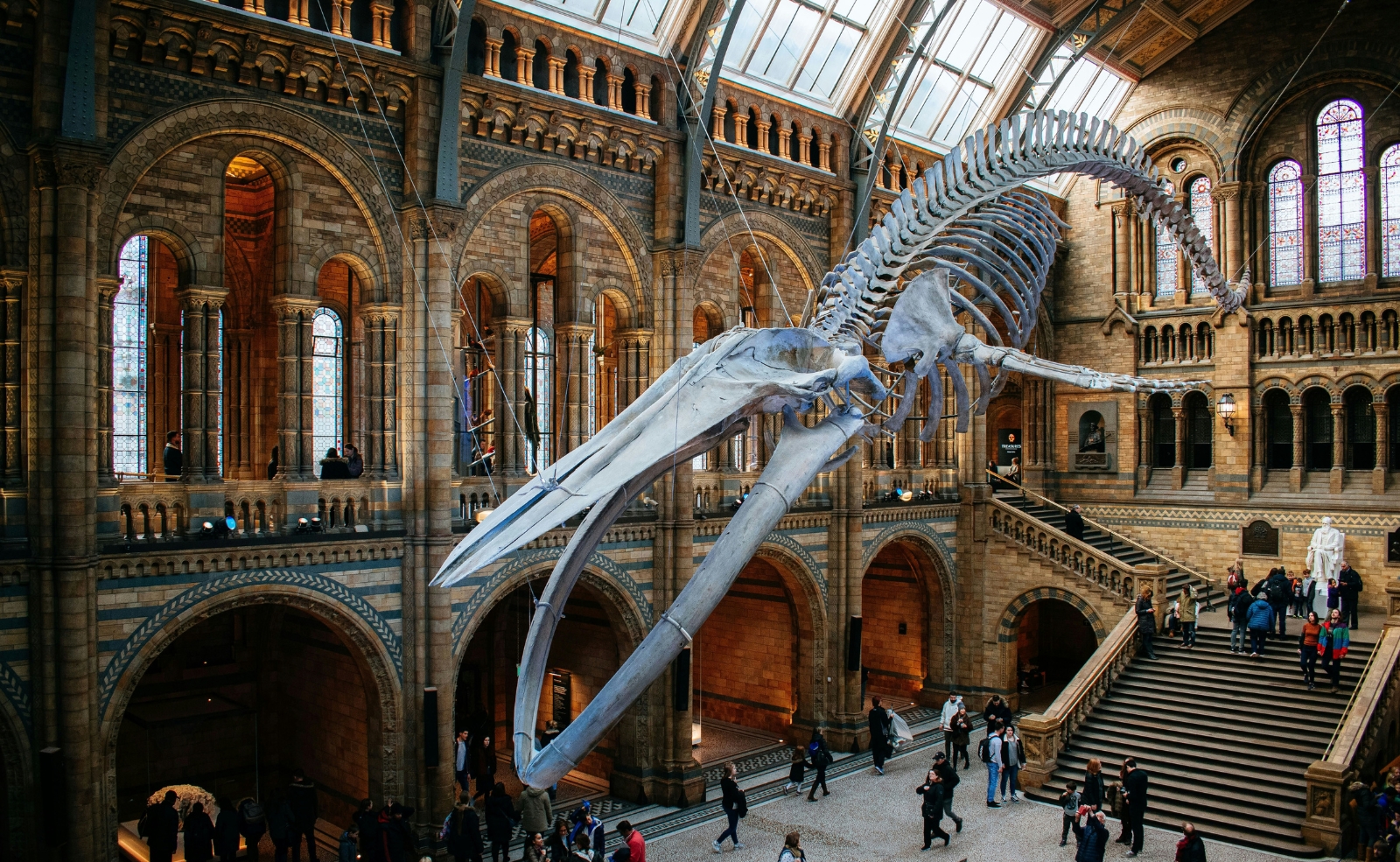
The skeleton of Hope the blue whale, in the Natural History Museum.
Read an extract from Vanished.
Return to the 2026 shortlist.
Top images: ‘Vanished’ book cover; portrait of Sadiah Qureshi (c) Irina Zoteeva.


